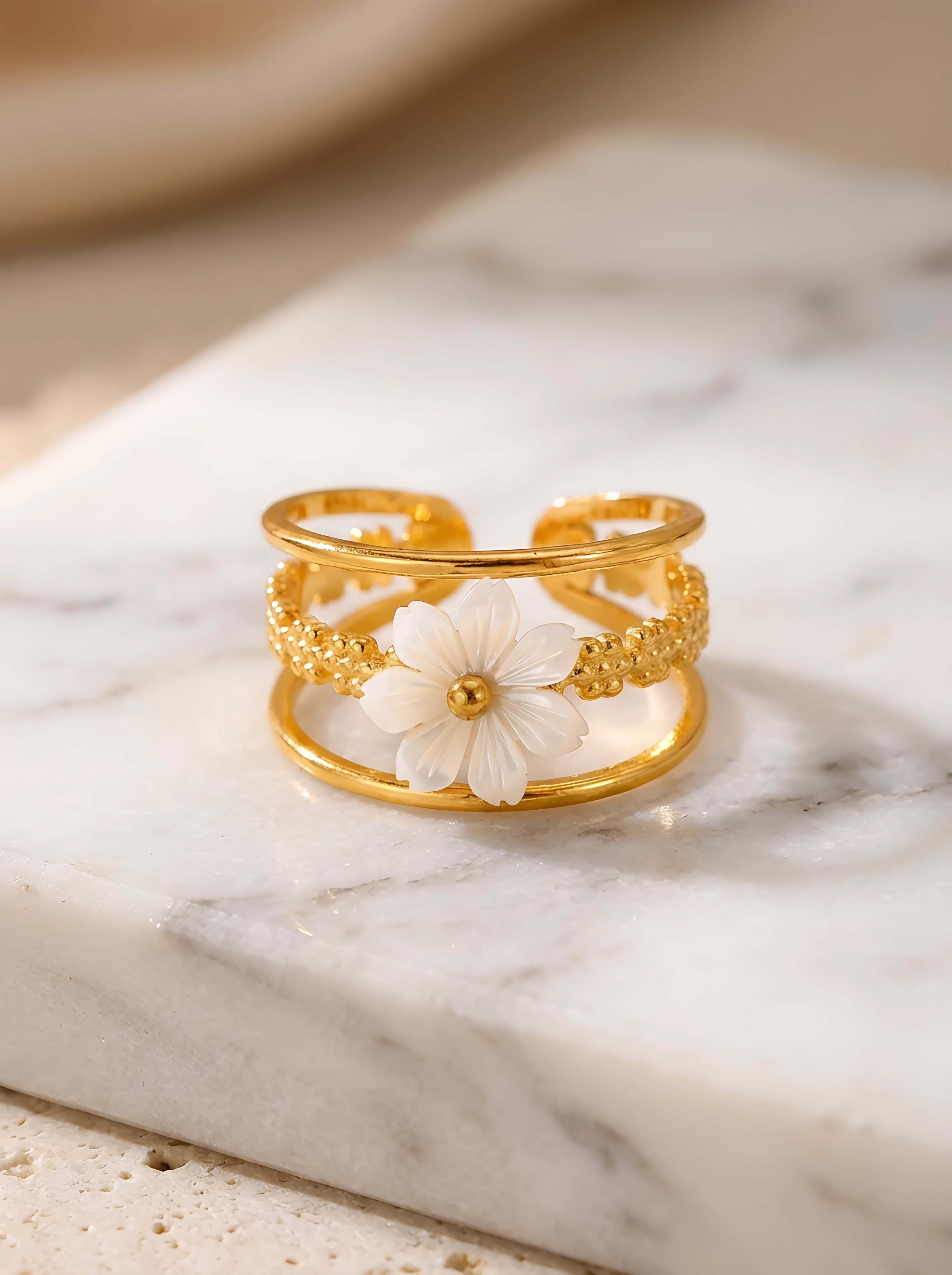
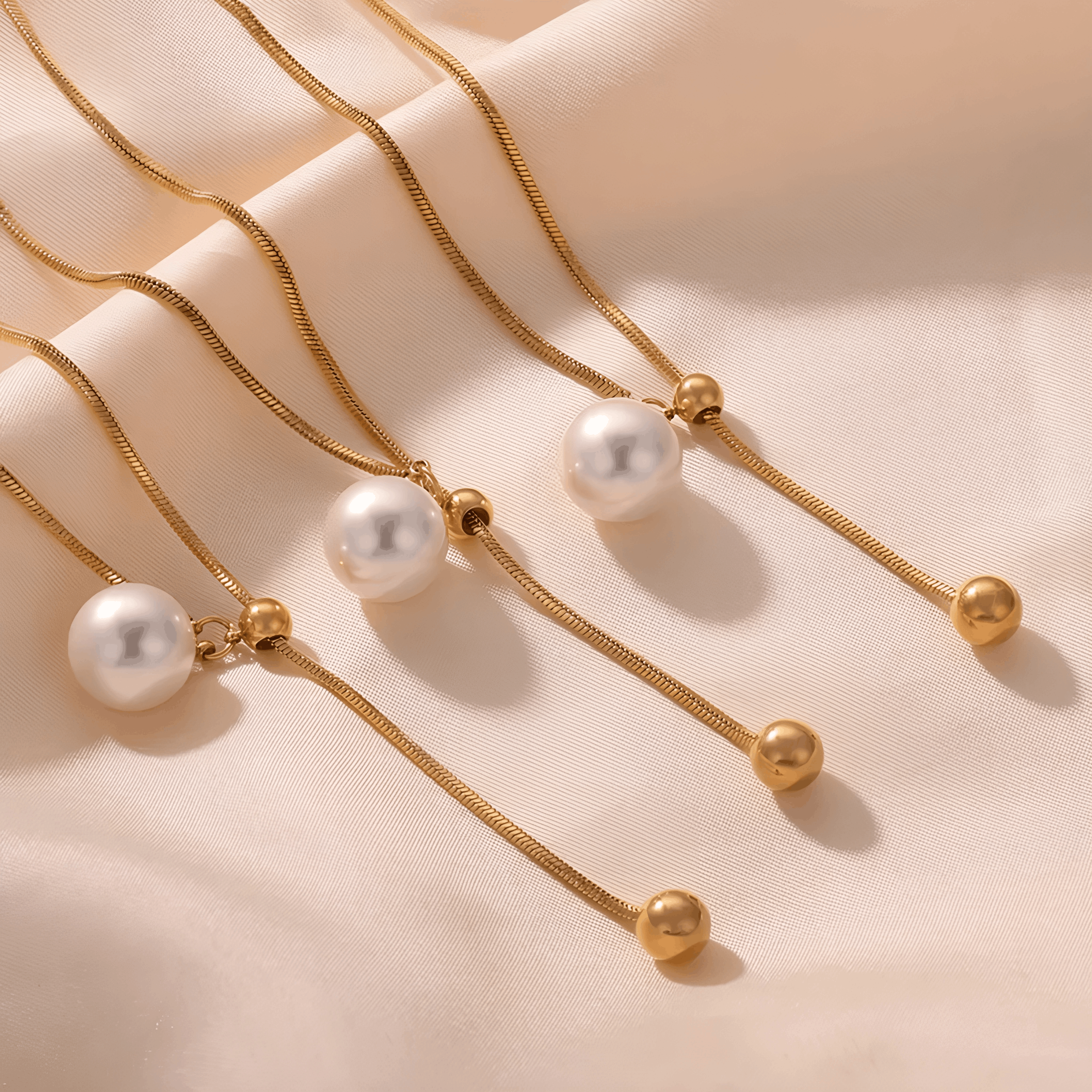

You wear a ruby against your skin and feel warmth that seems to come from within the stone itself. That sensation isn't imagination. It's the culmination of ancient beliefs, master craftsmanship, and traditions that stretch back thousands of years to when artisans first discovered that certain gemstones could be awakened through ritual and reverence.
The idea that gemstones possess inner life predates written history. Long before modern gemology explained the physics of crystal formation, ancient civilizations understood something profound: stones that had spent millennia forming deep within the earth carried energies that could be unlocked through human touch, intention, and skilled artistry.
The Sacred Partnership Between Artisan and Stone
Master gem cutters in ancient Persia spoke of listening to their stones before making the first cut. They believed each gemstone contained a sleeping spirit that would reveal its preferred form to those patient enough to wait and skilled enough to hear. This wasn't mysticism masquerading as craft. It was craftsmanship elevated to spiritual practice.
The tradition of stone awakening required artisans to spend days in meditation with rough gemstones before beginning work. They would hold the uncut crystal, feeling for natural fracture lines, sensing the play of light within, understanding the stone's inherent character. Only when this communion was complete would they begin the careful process of revelation, cutting away everything unnecessary to expose the gem's true essence.
Tools as Extensions of Soul
Traditional gem cutting tools were consecrated before use, blessed by craftsmen who understood that their instruments would become conduits between human intention and mineral spirit. Copper wheels, diamond dust, and polishing compounds weren't merely materials but sacred elements in a transformative ritual. The finest artisans created their own tools, forging metal and mixing compounds according to recipes passed down through generations of master craftsmen.
The Language of Light and Fire
Ancient cutters developed an entire vocabulary around the way light moved through different stones. They spoke of fire that slept within diamonds, of the liquid light trapped in emeralds, of the sunset captured in amber. Each type of gemstone required different awakening techniques, different approaches to coaxing forth its hidden brilliance. This knowledge was guarded jealously, passed only from master to apprentice through years of patient instruction.

Cultural Traditions of Stone Blessing
Across cultures, the moment when raw stone became finished jewel was marked with ceremony. In Burma, ruby cutters would fast for three days before beginning work on particularly fine stones. Indian craftsmen working with sapphires would begin each day with prayers and offerings, asking permission from the stone's spirit before continuing their work.
These weren't quaint superstitions but recognition of a fundamental truth: the transformation of rough crystal into polished gem represented a collaboration between human skill and natural wonder. The finest pieces could only emerge when both elements were honored equally.
Japanese artisans developed perhaps the most elaborate stone awakening ceremonies, incorporating elements of tea ceremony precision with Shinto reverence for natural spirits. They believed that gems cut with proper ritual would bring harmony to their wearers, while stones shaped without ceremony would remain spiritually dormant no matter how perfect their physical form.

Modern Echoes of Ancient Wisdom
Today's master jewelers may not perform elaborate awakening ceremonies, but the finest among them still understand the deeper truths behind these ancient practices. They know that exceptional gems require more than technical precision. They demand patience, intuition, and respect for the stone's natural character.
Contemporary artisans speak of finding each gem's perfect expression, of working with rather than against the stone's natural inclinations. The language has evolved but the essential understanding remains: the most beautiful jewelry emerges from partnership between human creativity and natural wonder.
When you wear a piece created through this philosophy, you carry not just a beautiful object but a small piece of awakened earth. The warmth you feel isn't merely body heat reflected back. It's the glow of stone brought fully to life through centuries of wisdom, skill, and reverence.


