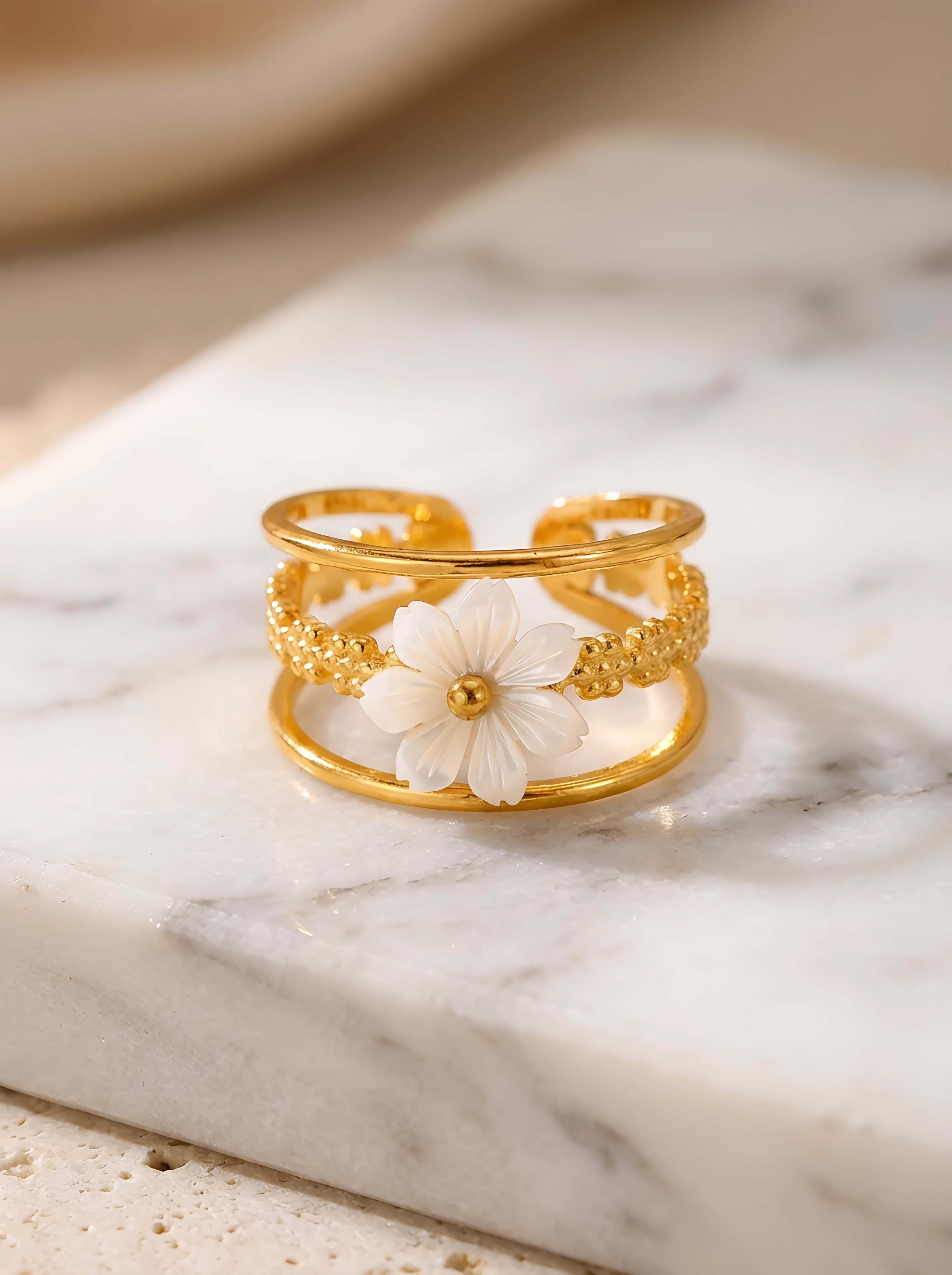
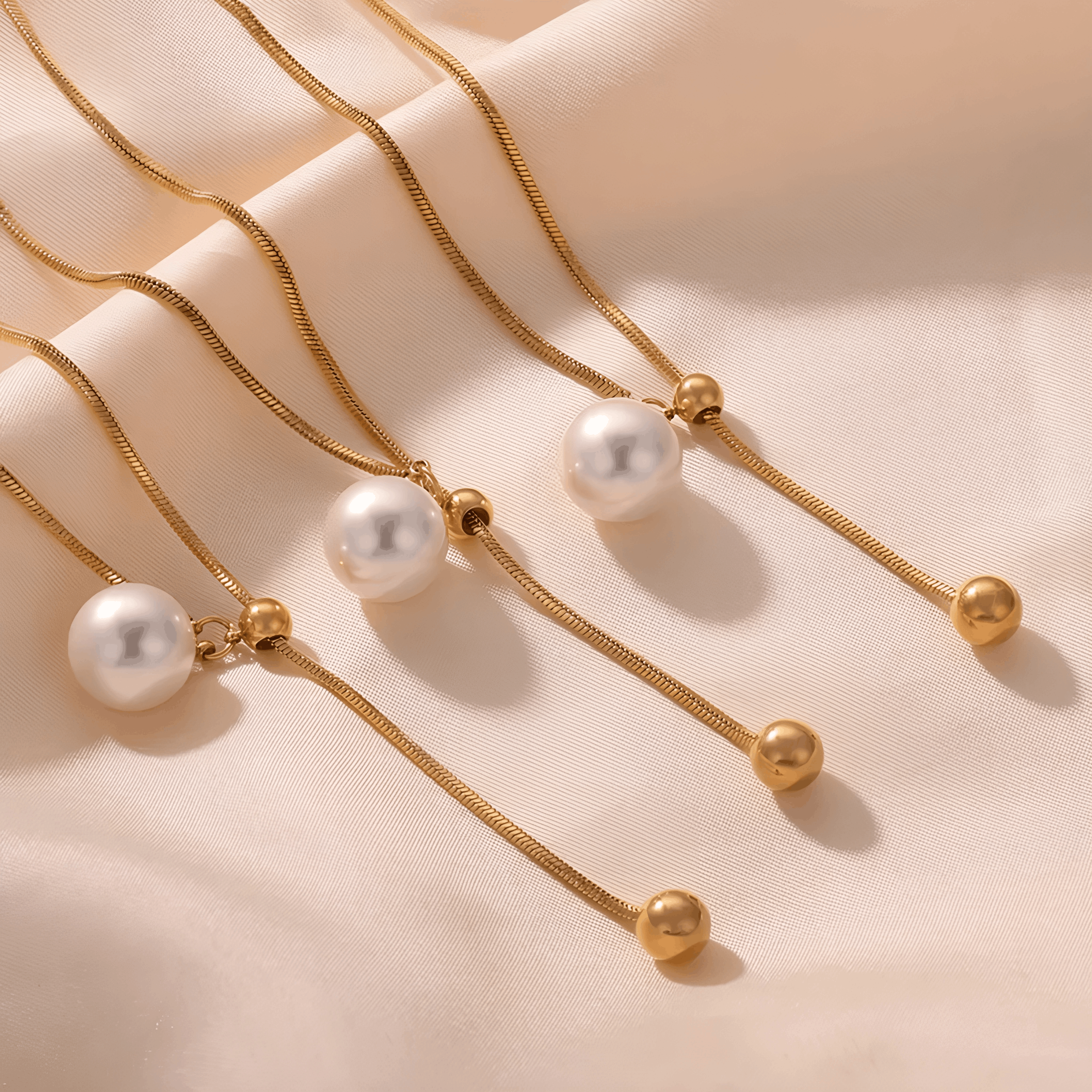
You've noticed it, probably. A piece you love dearly has started to look a little tired. The gold isn't quite catching the light the way it used to, or there's a faint shadow near the clasp where the finish has worn. It isn't damaged exactly. It just hasn't been looked after. And the truth is, it's easier than you think to change that.
Understanding What You're Actually Working With
Demi fine jewellery occupies a particular and really lovely space between costume jewellery and solid fine metals. It's typically sterling silver or a brass base with gold vermeil plating, sometimes with semi-precious stones set into it. It's designed to be worn, to live on your body, to go with you everywhere. But that also means it's in contact with your skin, your products, the air and the elements every single day, and all of that takes a toll eventually.
The key to keeping demi fine jewellery looking its best isn't some complicated routine. It's a few consistent habits that become second nature once you understand why they matter. Think of it less like maintenance and more like a small act of care for something you love.
The Order Things Touch Your Skin
Here's a rule that sounds almost too simple: jewellery goes on last. After moisturiser, after perfume, after sunscreen, after hair products. Those products aren't harmful to your skin but they aren't designed to be kind to metal or stone, and the residue builds up over time in ways you can't always see. Perfume in particular, because it contains alcohol, can affect the plating on vermeil pieces and dull the surface of stones more quickly than you'd expect.
The other end of the day matters just as much. Take your jewellery off before you wash your hands if you can, certainly before you shower, and absolutely before you swim. Chlorine is particularly hard on gold plating. Saltwater is beautiful but it isn't gentle. And sleeping in jewellery, while tempting, creates a lot of low grade friction through the night that adds up over months in ways that are hard to reverse.
Cleaning Without Causing Damage
When your jewellery needs refreshing, and it will, the approach matters more than the product. A soft cloth is almost always enough. The kind of cloth you'd use on glasses, a microfibre cloth or a jewellery polishing cloth, works beautifully for surface cleaning and for bringing back some of that newly bought brightness.
For pieces that need more attention, warm water and a tiny drop of mild dish soap does the job most of the time. Use a very soft brush, something like a clean old toothbrush with soft bristles, to get into the settings around stones and along chains. Then rinse thoroughly and dry completely before you store or wear the piece again. Moisture left sitting against metal is where tarnishing really takes hold.
What Not to Do
Don't use toothpaste. It's abrasive and it can scratch the surface of plating and stones in ways you won't be able to fix at home. Don't use ultrasonic cleaners on anything with stones or plating either, because these can loosen settings and strip finishes in a single use. Don't reach for harsh chemical cleaners, even ones marketed specifically for jewellery, unless you know exactly what your piece is made from and that the cleaner is designed for those materials.
The gentler you are, the longer your jewellery lasts. That's not a complicated equation. It's just worth remembering.
Storing Like You Mean It
Where your jewellery lives when you're not wearing it matters more than people tend to think. Air and humidity are what accelerates tarnishing on silver and gold vermeil, so keeping pieces in an airtight pouch or a box with a small anti tarnish strip inside is genuinely worthwhile. Storing pieces separately, rather than piled in a bowl together, also prevents scratching and tangling, which saves you the frustration of trying to unknot a delicate chain at seven in the morning when you're already running late.
Keep jewellery out of the bathroom if you can. The temperature changes and steam from showers create humidity that's not ideal for most metals. A drawer or jewellery box in the bedroom is almost always a better home. And if you have a piece you're not wearing regularly, wrapping it loosely in a soft cloth before storing it extends its life considerably.
Pay attention to your chains in particular. They're the most vulnerable piece in any collection because they spend the most time in contact with skin, products and movement. A chain that's cleaned and stored properly will stay bright for years. One that isn't will start to show its age in months. The satisfying click of a clasp finding its home at the end of the day is a good reminder: your jewellery is asking to be put away properly, not left on the counter.
Your jewellery remembers every day you wore it. Give it just enough care and it'll keep showing up for you.
