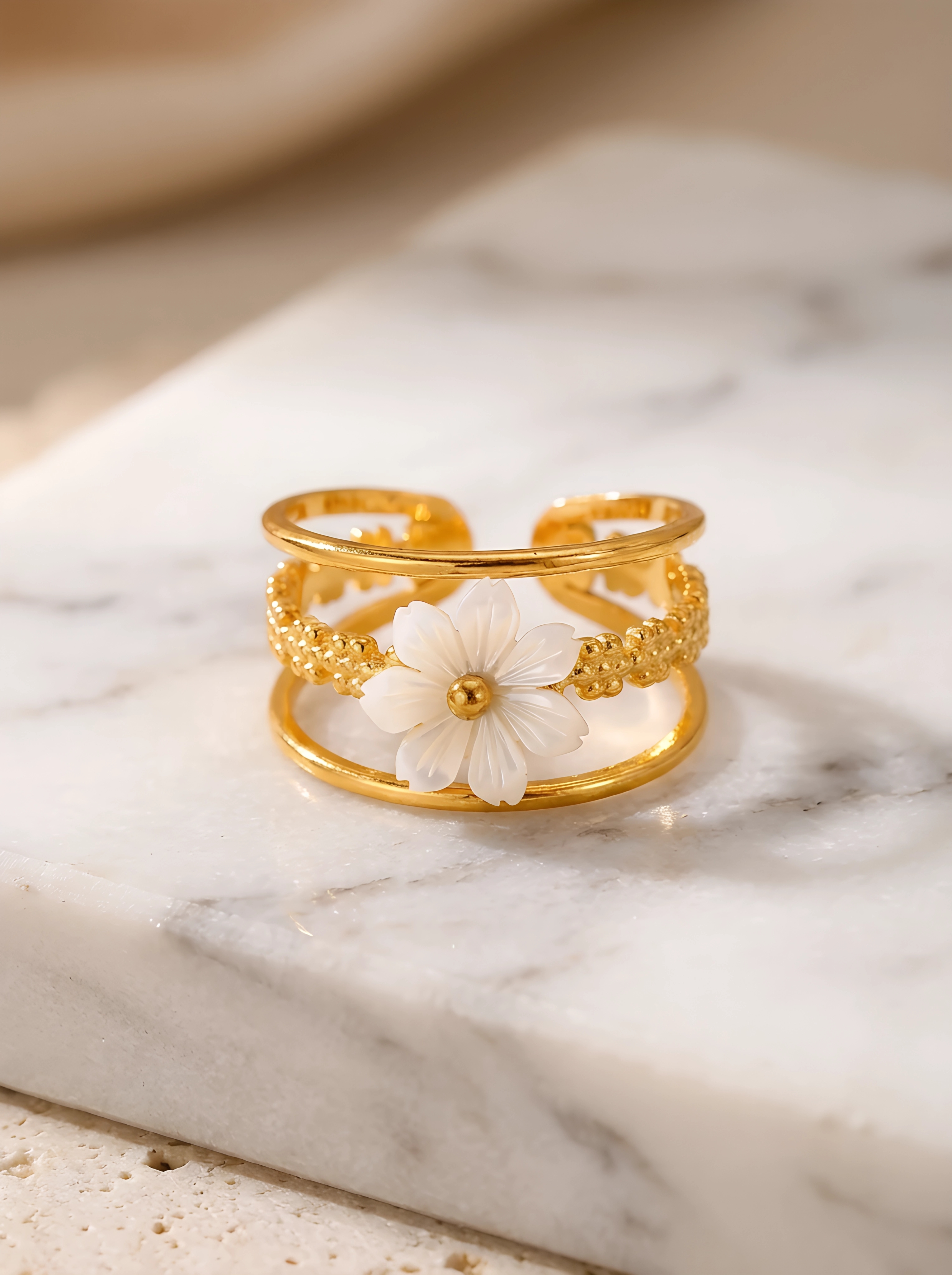
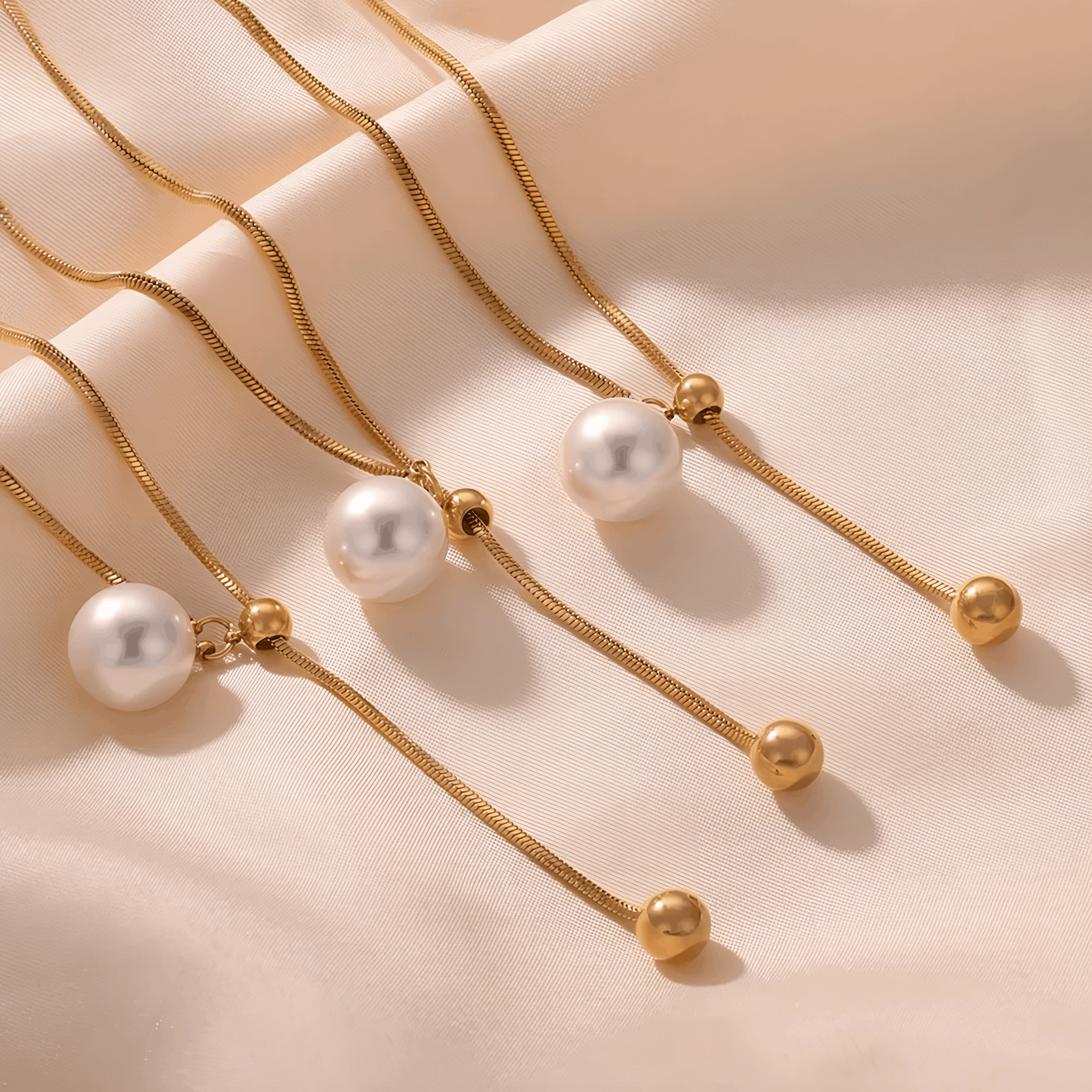

Long before jewellery became a fashion statement, it was a language. Every culture that has ever existed on this earth has adorned its people with metal and stone, and rarely without meaning. A carnelian scarab in ancient Egypt was not decoration. A coral bead in West African tradition was not simply pretty. A jade bangle passed from grandmother to granddaughter in a Chinese household carries decades of love in its weight. When you put on a piece of jewellery today, you are participating in one of the oldest human conversations there is.
The Ancient Meaning of Gemstones Across Civilisations
Civilisations across the ancient world independently developed beliefs about the power of gemstones. The Greeks believed amethyst could prevent intoxication and wore it to remain clear-headed during celebrations. The word amethyst comes from the ancient Greek for not drunk. Lapis lazuli, that deep rich blue shot through with gold, was prized so highly in ancient Mesopotamia and Egypt that it was used in the burial masks of pharaohs: a stone literally considered worthy of the gods.
In ancient India, the concept of navratna, meaning nine gems, held that specific stones carried the energy of the nine celestial bodies and that wearing them in combination offered protection, prosperity and wellbeing. Rubies were associated with the sun and vitality. Emeralds carried the energy of Mercury and were said to sharpen the intellect. This system of gem meaning wove together astronomy, spirituality and adornment into a single practice that continues to influence jewellery culture today.
How Birthstones Became a Universal Tradition
The birthstone tradition as we know it in the West is most directly linked to the breastplate of the high priest described in the book of Exodus, which was set with twelve stones representing the twelve tribes of Israel. Over centuries, these twelve stones were connected to the twelve months of the year, and eventually to the twelve signs of the zodiac. By the 18th century, wearing the stone associated with the month of your birth had become a widespread practice across Europe.
The specific list of stones we use today was largely standardised in 1912 and has been updated a handful of times since. But the emotional resonance of birthstone jewellery is far older than any official list. It taps into something deeply human: the desire to wear a piece of the world that belongs specifically to you.

The Art and Heritage of Jewellery Making Around the World
Every region of the world has developed its own jewellery traditions, and many of the techniques in use today have barely changed in thousands of years. Filigree, the delicate art of twisting fine gold or silver wire into intricate patterns, has been practised in the Mediterranean, the Middle East, India and Southeast Asia for millennia. Granulation, a technique that fuses tiny beads of gold onto a surface to create texture, was mastered by Etruscan craftspeople over 2,500 years ago and is still used by skilled artisans today.
Japanese metalwork brings the philosophy of wabi sabi, the appreciation of imperfection and impermanence, directly into jewellery form. The irregular, quietly beautiful quality of Japanese gold work reflects a deep cultural belief that the marks of making are not flaws but signatures of the human hand behind the object.
In West Africa, lost wax casting has been used for centuries to create intricate gold adornments that carry royal and spiritual significance. Among the Asante people of present-day Ghana, gold jewellery is not merely decorative. It is a record of lineage, a symbol of status and a tangible connection to ancestral power.
Why Artisan Jewellery Carries Something Mass Produced Pieces Cannot
When a piece of jewellery is made by hand, it carries something that mass produced pieces cannot replicate: the energy of a specific human being, working with specific materials, at a specific moment in time. This is not mysticism, it is simply what handmade means. A slight irregularity in the setting. A texture on the surface that was pressed there by a tool held in someone's fingers. These are not imperfections, they are the evidence of a person.

The Living Tradition of Heirloom Jewellery
Jewellery is perhaps the most enduring of all material objects. A book can be damaged by water. Clothing disintegrates. Photographs fade. But a well made piece of gold or silver can last centuries, moving through generations, accumulating meaning with every hand it passes through. The heirloom quality of jewellery is not accidental. It is part of why it matters so much.
Many of the pieces we choose today will outlast us. They will be worn by daughters, nieces, friends and strangers who have no idea where the piece originated but feel something when they put it on. Understanding the history behind jewellery gives us a deeper relationship with the pieces we choose. It transforms them from purchases into objects with weight and story. And it reminds us that every time we clasp a necklace or slide on a ring, we are part of a conversation that has been going on for a very long time.

