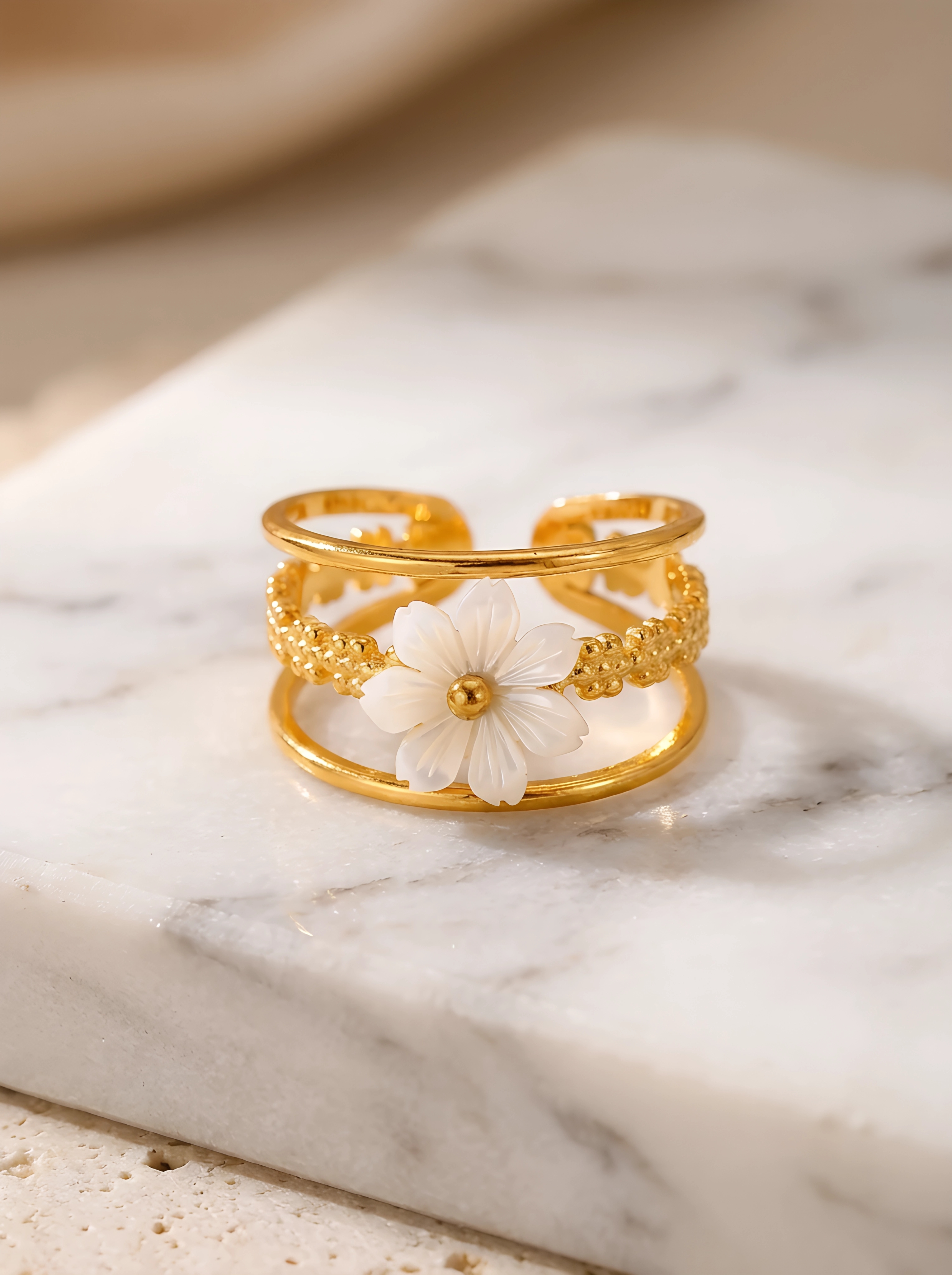
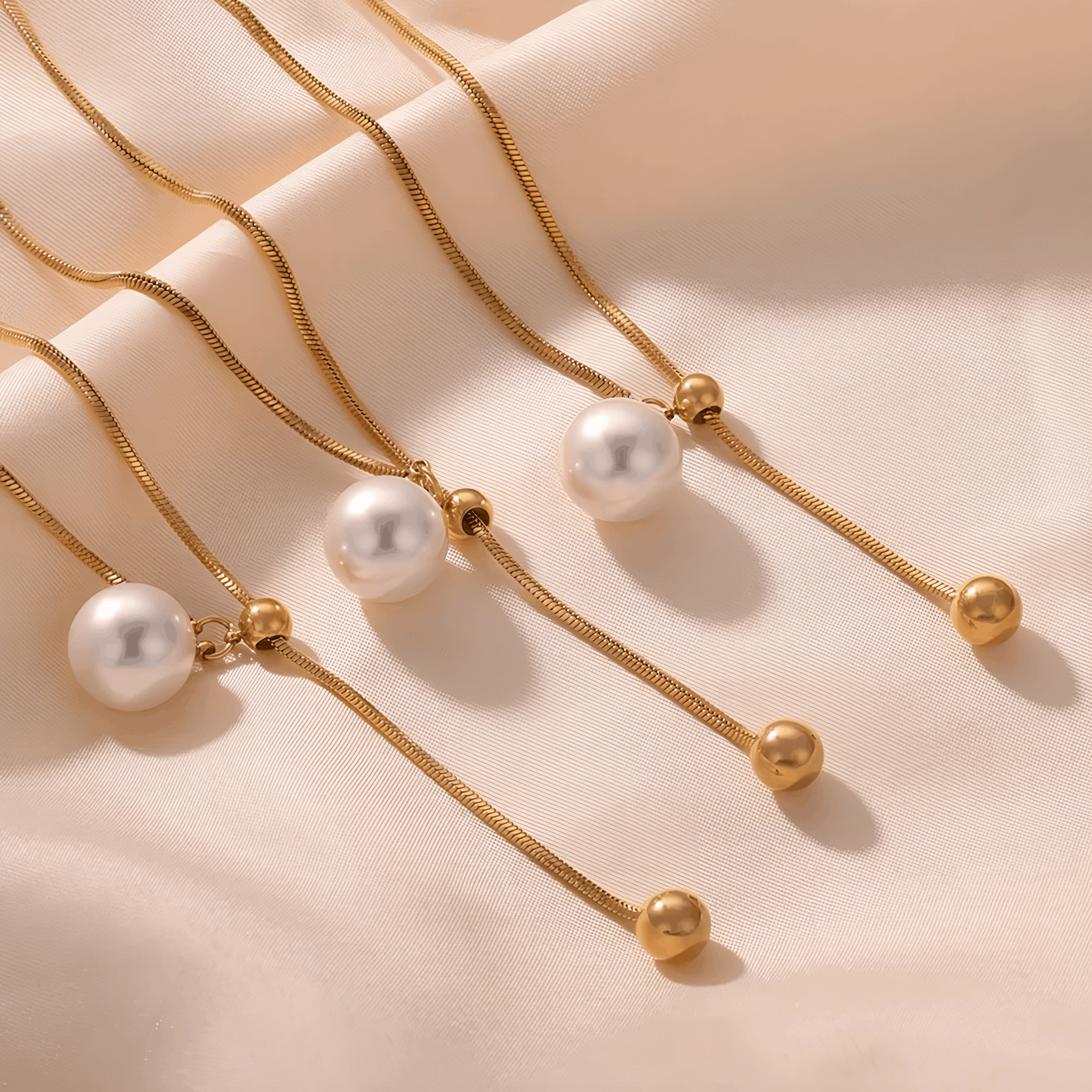
You pick up a ring, turn it under the light, and something quiet happens. A flash of green, a deep red glow, a pearl that seems lit from the inside. You didn't plan to feel anything. You just did. That feeling isn't random, and it isn't new. People have been reaching for stones and metal to hold meaning for thousands of years, and you're part of that long line.
Why We Give Stones Meaning
Start with a simple idea: humans name what moves them. A stone that catches the sun becomes a symbol of warmth. A stone that stays cool and clear becomes a symbol of calm. Over centuries, communities have attached stories to almost every gem, from protection and prosperity to love and good fortune.
Across many Indian families, gemstones sit close to daily life. A grandmother's ruby, a ring chosen with an astrologer's advice, a string of pearls passed down before a wedding. These aren't museum pieces. They're worn, borrowed, argued over and loved. That's what gives them their weight.
Birthstones and Personal Rituals
Birthstones are a gentle way in. Many people grow up with one in mind, and wearing it can feel like carrying a small private promise. Do you wear yours? Or did you choose a different stone that simply felt like you? Both count. The meaning you give a stone is always the one that matters most.
Notice the rituals around you, too. The first piece you buy with your own earnings. The ring you only wear to important meetings. The bangles you slide on before every festival, without thinking. Small habits like these turn jewellery into something closer to a ceremony.
The Hands Behind the Sparkle
Every setting starts with a pair of hands. Somebody sketched the shape, shaped the metal, set each stone and checked the clasp. Craft traditions in India run deep, from fine filigree to intricate stone setting passed from one generation of artisans to the next. Learning to see that work changes how you wear a piece.
Look closely at the back of a pendant. Check how evenly a stone sits in its bezel. Feel how a chain falls across your palm. The satisfying click of a clasp finding its home is craft you can hear.
Reading the Details
A tiny irregularity in a pearl isn't a flaw, it's a fingerprint. A slightly warm tone in a handmade finish is proof that a person was here. Pay attention to these things, and you'll start finding style breadcrumbs everywhere, in a market stall, in an old photograph, in your mother's jewellery box.
Wearing a Story Forward
At Luxe Ember, we love the idea that jewellery is never finished. Each piece you wear adds another verse to a favourite song, one that was started long before you and will carry on long after.
So ask the older people in your life about what they wore and why. The earrings from a wedding. The chain from a first job. The stone someone pressed into a palm before a long journey. Write those stories down, or simply say them out loud when you put on something new. Pass them on.
Think about colour for a moment. Deep green has long been tied to renewal, red to energy and devotion, blue to calm and protection, while pearls tend to speak of purity and patience. You don't have to believe every association. You only have to notice which ones make you stand taller. That reaction is your own small tradition beginning.
Craft is worth supporting, too. When you choose pieces that were finished with care, you're keeping skills alive that took generations to build. That's not a small thing. It's a quiet kind of kindness, passed from wrist to wrist, ear to ear, and hand to hand.
You don't need to know every origin to wear a stone well. You only need to be curious, and to wear it like it matters. Because to you, it does.
