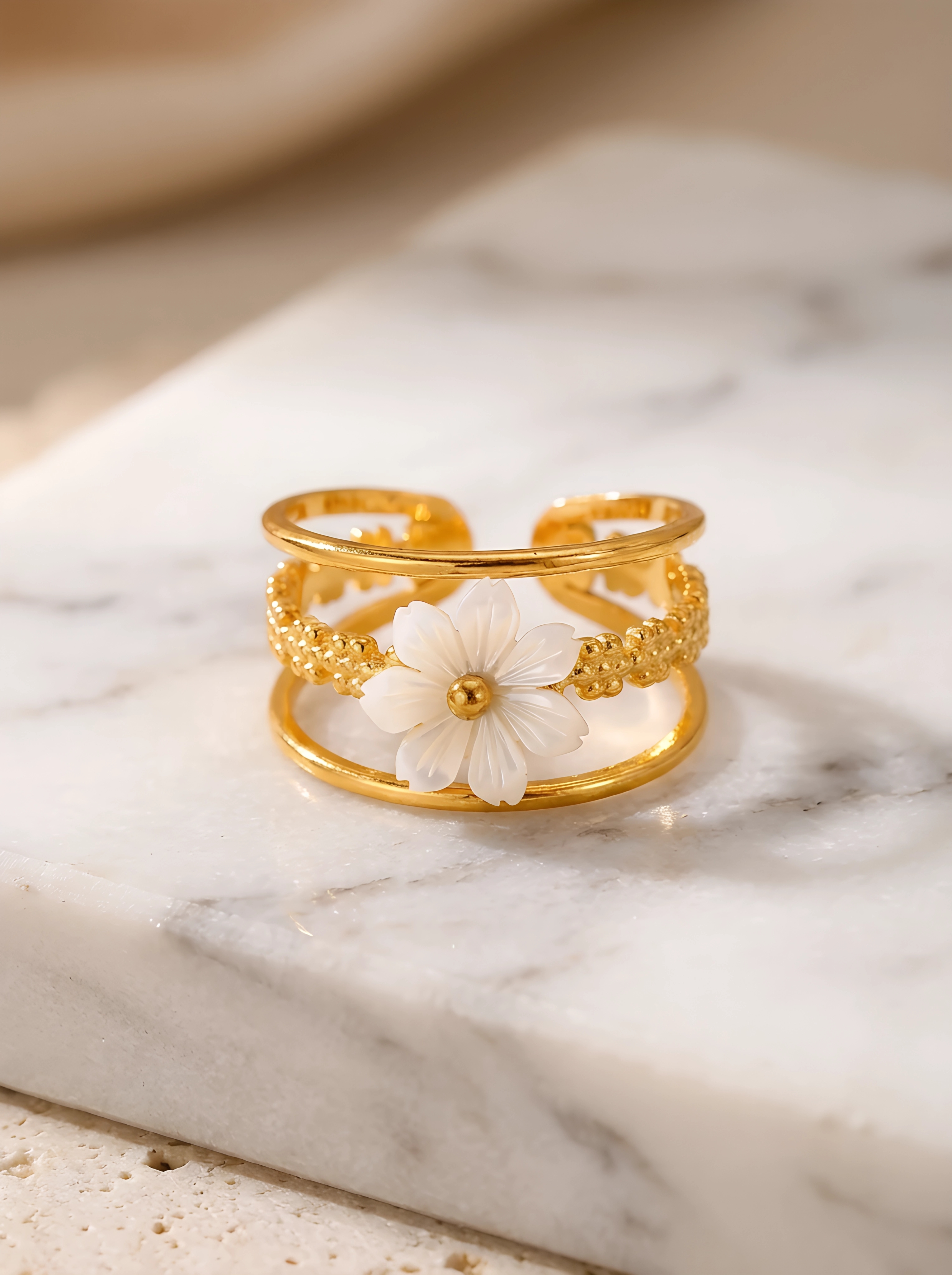
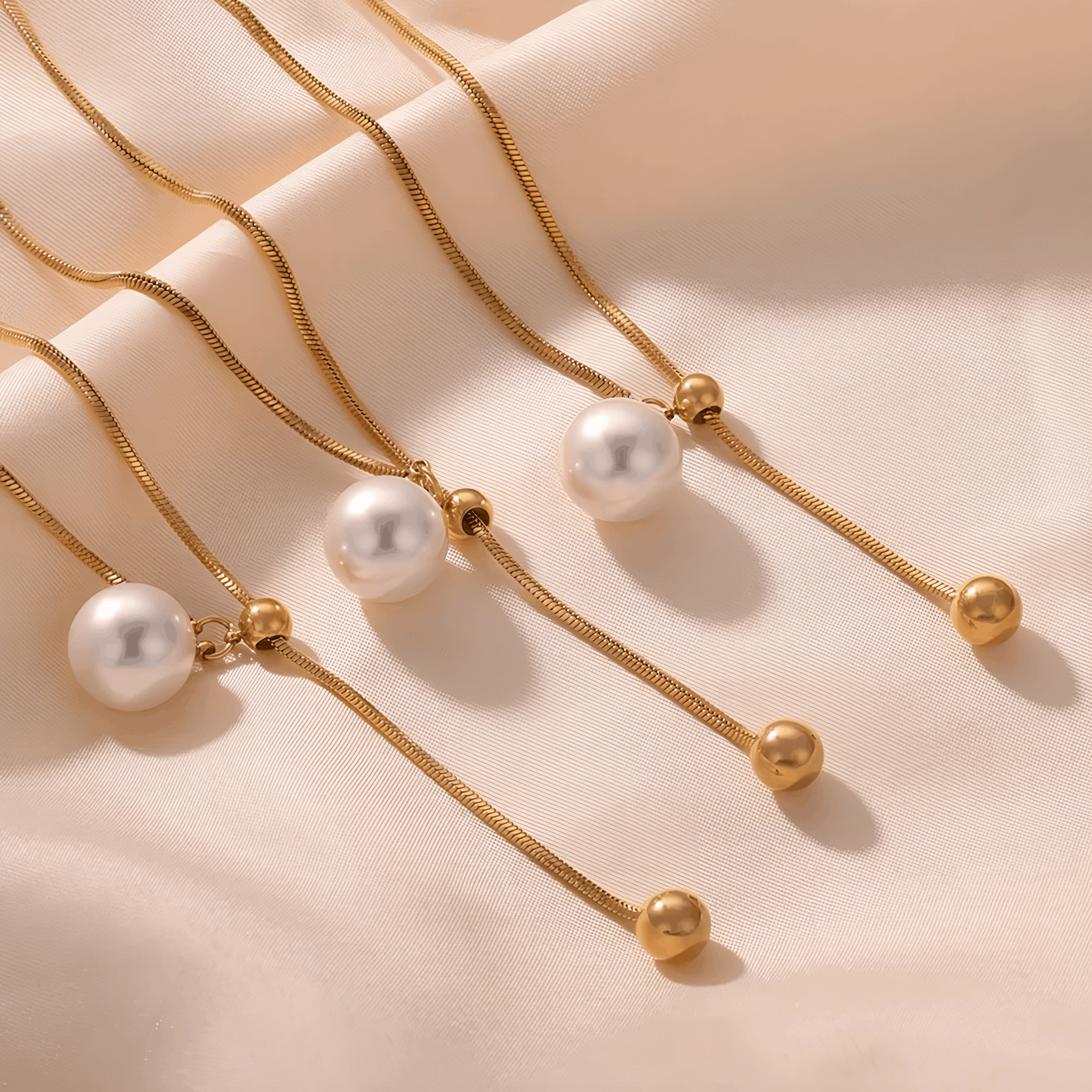
You're holding a piece up to the light, turning it slowly the way you would a photograph you're trying to see properly for the first time. Maybe it came from your grandmother's dresser, maybe you bought it yourself last spring for no occasion at all. Either way, there's a moment where you catch yourself wondering who decided this particular stone meant this particular thing, and why that meaning has managed to survive centuries of people who never met each other.
Stones Have Always Carried Stories
Long before anyone thought of gemstones as an investment or an accessory, they were understood as something closer to medicine, or prayer, or protection. Garnet was tucked into travellers' bags because people believed it lit the road home in the dark. Pearls were treated as tears of the moon in one telling and drops of the ocean's memory in another, which tells you something about how differently coastal and inland cultures made sense of the same small, luminous object.
None of that meaning was random. It grew out of what people needed the stone to do for them emotionally, long before it ever became about how the stone looked against skin. That's worth sitting with for a second. The beauty came second. The meaning came first.
The Hands Behind the Piece
A Craft That Resists Shortcuts
At Luxe Ember, we think about jewellery the way a great chef thinks about seasoning, where the smallest, most invisible decisions end up shaping the entire result. A setting that's a fraction of a millimetre off changes how light moves through a stone. A clasp soldered with too much haste will fail you at the exact moment you need it not to, usually mid function, usually while you're already running late. Good craft is mostly invisible. You only notice it in hindsight, in the years a piece survives without ever once letting you down.
This is the part that gets lost when jewellery gets treated as disposable. Somewhere behind every well made piece is a person who learned their skill slowly, often from someone older who learned it slowly too. That chain of teaching is its own kind of heritage, separate from whatever story the stone itself carries.
What Gets Passed Down Isn't Just the Object
Think about the piece in your own family that has a story attached to it, the one someone always mentions at gatherings. Chances are the story matters more than the appraisal ever could. Who wore it first. What she was doing when she got it. Whether it survived a move across an ocean tucked into a sari, or spent decades in a box nobody opened until someone passed and the whole family sat together sorting through what was left.
That's the whole point of heirloom jewellery, really. The metal is just the vessel. The actual inheritance is the story riding inside it.
So the next time someone hands you a piece and says it used to belong to their mother, ask about her. Ask what she was like, what she wore it to, whether she fidgeted with it during boring meetings the way you do now with your own rings. You'll learn more about the object from that conversation than from any appraisal, and you'll understand exactly why some pieces are worth keeping long after the trend they arrived in has quietly faded away.
Adding Your Own Verse
Here's what we think gets misunderstood about tradition. People sometimes treat it like a closed book, something already finished that you either honour correctly or fail to honour at all. But tradition has always worked more like a favourite song passed between generations, where every new person who sings it adds their own verse without erasing what came before. You're allowed to wear a stone for a completely different reason than your grandmother did and still be part of the same lineage of meaning.
Maybe you wear moonstone because you read somewhere it settled restless minds, not because your family has any history with it at all. That's fine. That's how meaning has always spread, through people picking up a story and deciding it applies to them too. You're not required to know the entire history of a gemstone to wear it honestly. You just have to mean it when you put it on.
That conversation is never finished, and it's never wrong.
