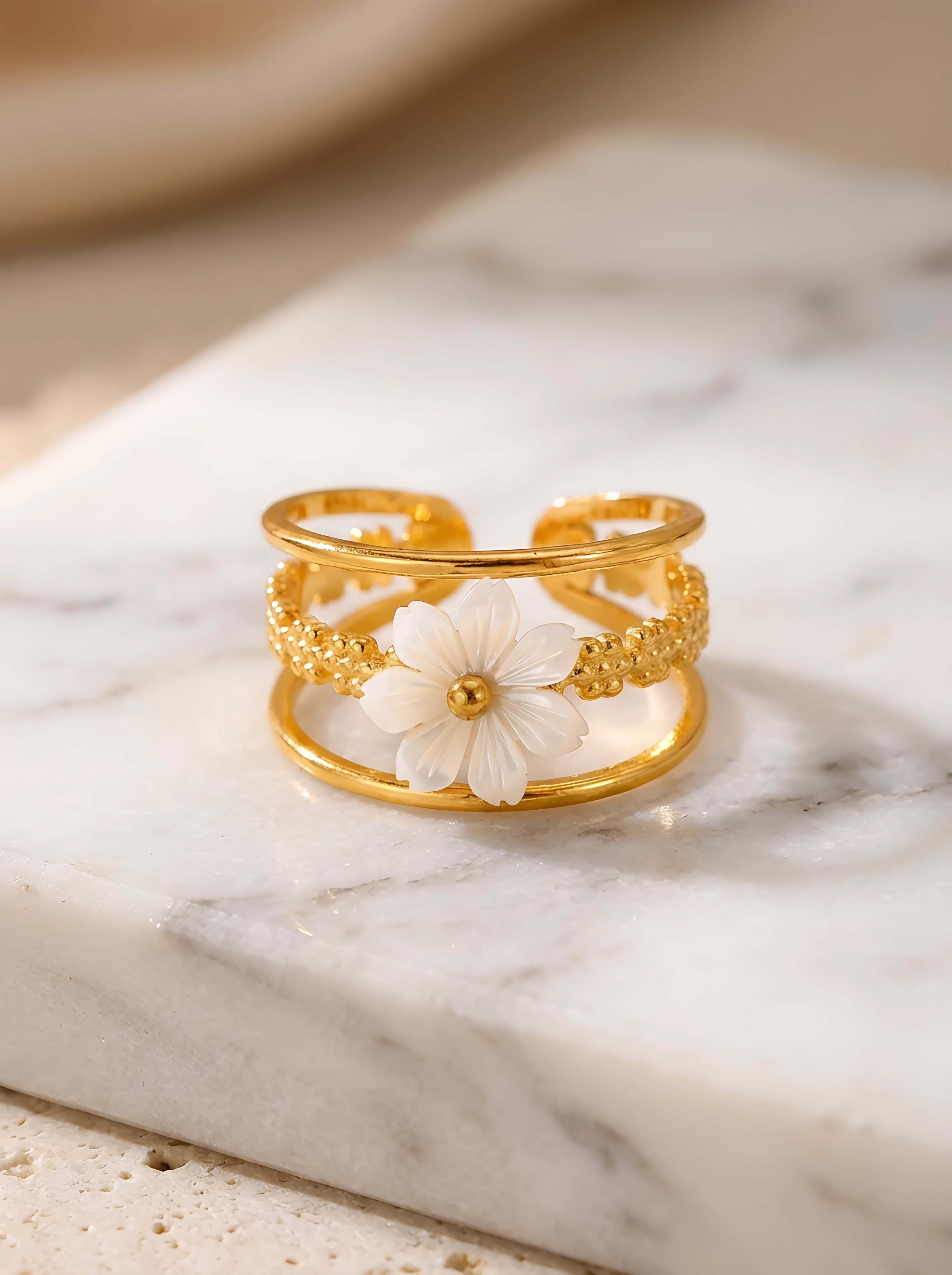
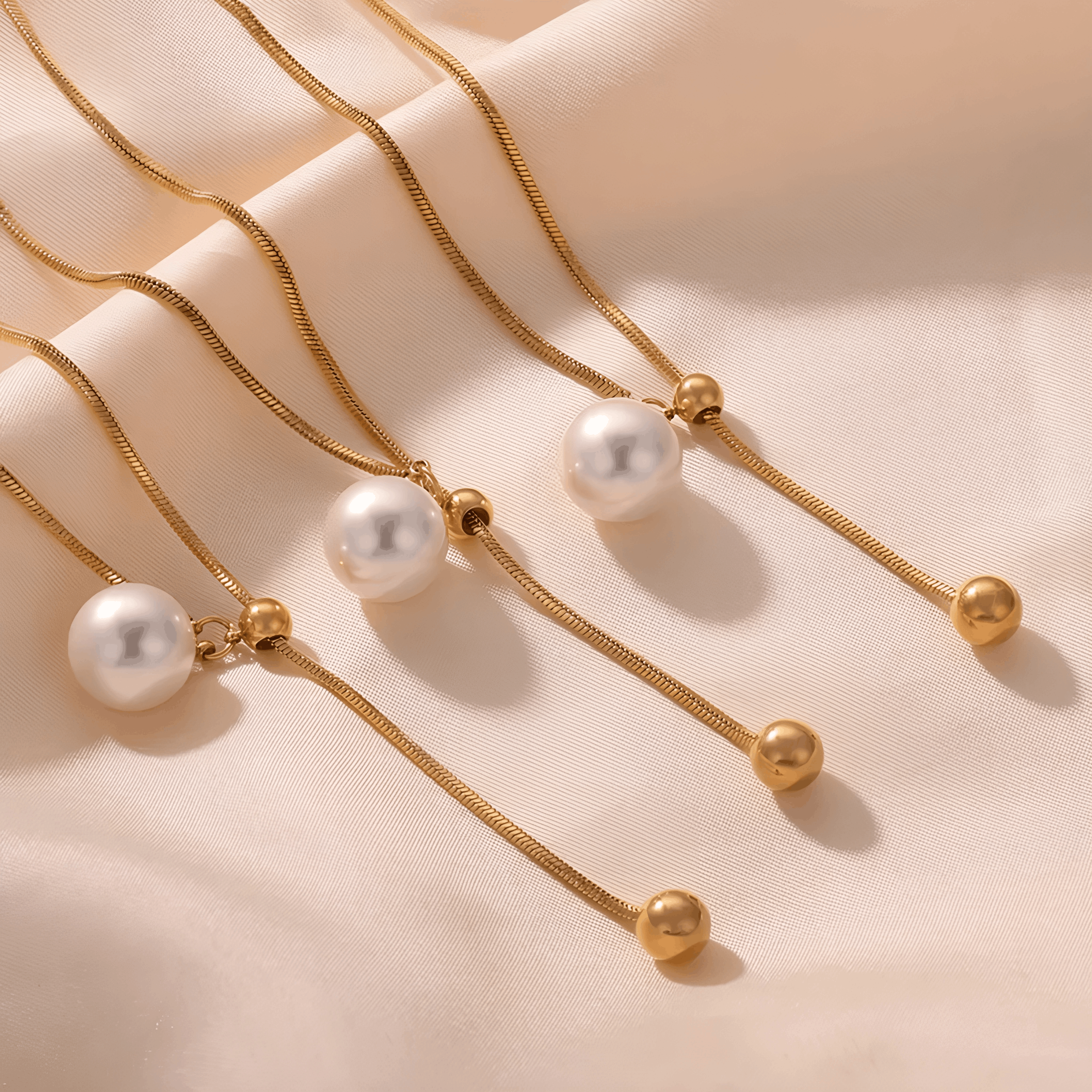
You've probably held a piece of jewellery that felt older than it actually was. Not in years necessarily, but in weight, in the sense that whoever made it knew something you don't. Maybe it was a ring passed down from a grandmother, still warm from her hand somehow. Maybe it was a pair of earrings from a small workshop where someone spent an entire afternoon on the setting alone. Jewellery carries stories whether you ask it to or not, and once you start noticing that, you can't really stop.
Every Stone Has Been Somewhere Before You
A gemstone existed for millions of years before it ever touched a piece of metal. That's not a fact you think about while getting dressed for dinner, but it's worth sitting with for a second. The turquoise in a ring formed in the cracks of ancient rock. The garnet in a pendant crystallised under pressure most of us can't picture. By the time a stone reaches your hand, it's already lived a life longer than every human civilisation combined.
That's a strange kind of company to keep on a Tuesday morning.
The Hands Behind the Piece
Somewhere between the earth and your jewellery box, a person sat down and decided exactly how that stone should sit, how the metal should curve around it, how much space to leave for light to move through. Craft like that doesn't happen by accident. It's the result of someone's hands knowing a material so well they can predict how it will behave before they even touch it.
Old Techniques That Refuse to Disappear
Think about filigree work, that impossibly fine twisting of metal into lace like patterns, a technique some artisans learn over years of apprenticeship before they're trusted to do it alone. Or the kind of stone setting where a craftsperson checks the angle of a gem against light a dozen times before they're satisfied. These techniques survive not because they're the fastest way to make jewellery. They survive because faster was never the point.
Why Handmade Still Matters in a Machine Made World
A machine can cut a stone to spec. It can't decide that this particular piece of rough deserves a slightly different setting because of how the light catches an inclusion inside it. That decision is human, and it's the reason two pieces from the same collection never feel quite identical. You're not just buying an object. You're buying someone's judgment.
Meaning You Inherit, Meaning You Choose
Some of the meaning in your jewellery box arrived before you did. The bangles that were your mother's. The stone your grandfather chose for a reason nobody quite remembers anymore, though everyone agrees it was important. You didn't choose that meaning. You inherited it, the way you inherit a family recipe or a way of laughing.
When a Gemstone Becomes a Family Story
Ask anyone with a piece passed down through generations what the stone actually means, symbolically, geologically, and they'll often shrug. That's not the point. The point is that it was worn at a wedding, held during a hard year, sat in a velvet box through two house moves and a decade nobody talks about much. The meaning isn't in the mineral. It's in the wearing.
But plenty of meaning gets chosen too, not inherited. You pick a stone because the colour reminds you of a place you loved, or because someone told you what it's supposed to represent and the idea stuck. Rose quartz for gentleness. Citrine for warmth. Whether or not you believe a stone can carry that kind of energy, choosing one on purpose is its own small ritual.
Wearing History Without Making It a Costume
There's a difference between honouring a tradition and performing one. Wearing a technique or a style that comes from centuries of craft doesn't mean treating it like a museum piece you're scared to touch. Wear the filigree earrings to the grocery store. Wear the stone your grandmother wore to something that has nothing to do with tradition at all, a work meeting, a first date, an ordinary Thursday. The craft was made to be lived in, not preserved behind glass.
The next time you clasp something on, remember someone spent real time deciding how it should sit against your skin. That's worth a moment of attention before you rush out the door.
